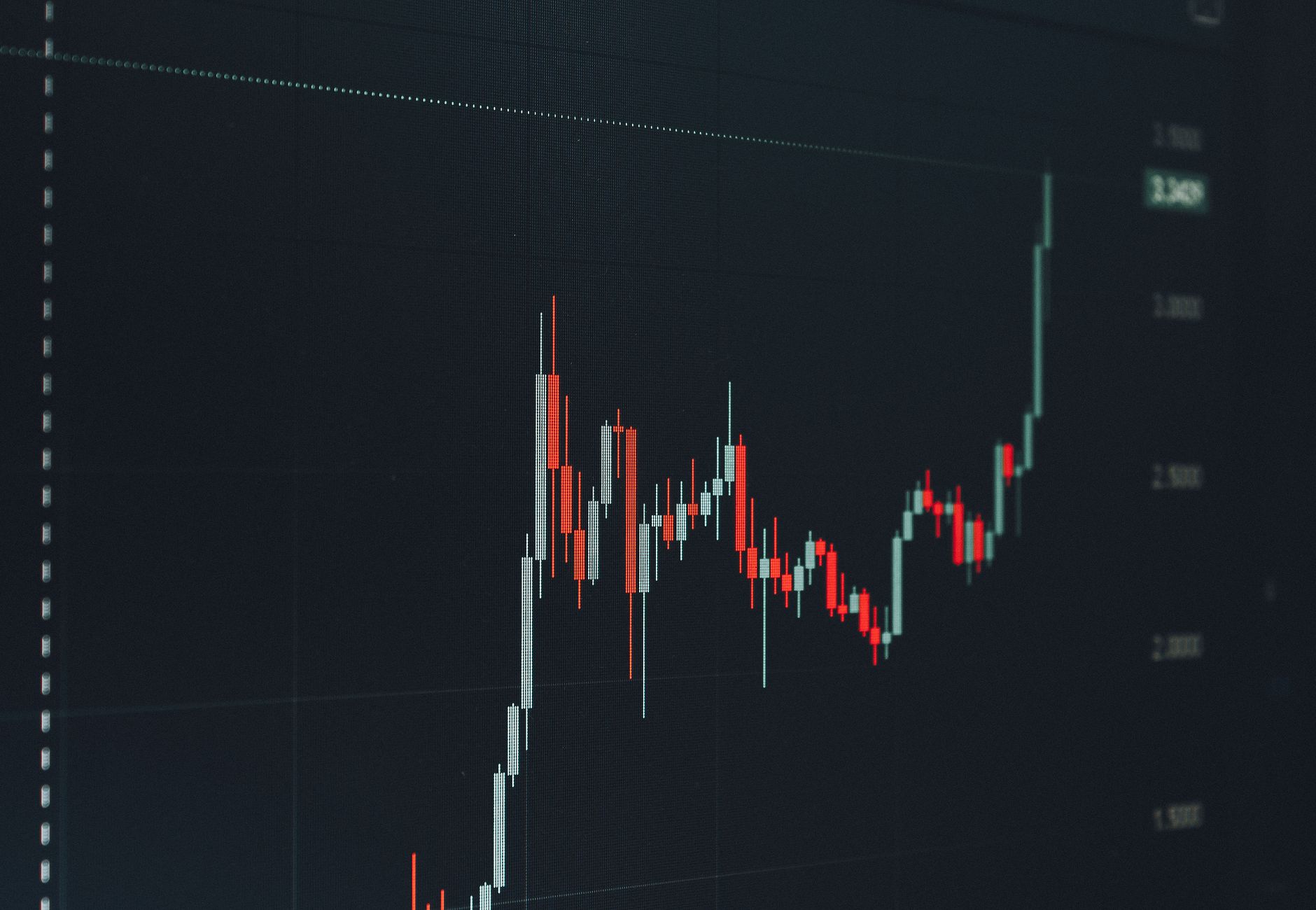
Candlestick Patterns: The Universal Language of Trading
Candlestick Patterns are a graphical representation of price action in financial markets, used for technical analysis to predict future price movements. They are called the "universal language of trading" because they can be applied to any market, whether it's stocks, forex, or commodities, and are used by traders worldwide, including those trading on the NSE, BSE, NYSE, NASDAQ, DFM, ADX, SGX, and NZX. Here's a striking statistic: a study by the National Bureau of Economic Research found that technical analysis, including Candlestick Patterns, can be used to generate excess returns in the stock market. For instance, a trader using Candlestick Patterns to analyze the stock price of Apple (AAPL) on the NYSE might identify a bullish engulfing pattern, indicating a potential buying opportunity.
Quick Answer: Candlestick Patterns are a powerful tool for technical analysis, with over 100 recognized patterns, each with its own unique characteristics and implications for future price movements. By mastering these patterns, traders can gain a competitive edge in the markets, with a success rate of up to 80% in certain patterns, such as the Hammer and Shooting Star. For example, a trader using the MicroStocks.in search and analysis tool to analyze the stock price of Reliance Industries (RIL) on the NSE might identify a hammer pattern, indicating a potential reversal in the stock price. With a clear understanding of Candlestick Patterns, traders can make more informed decisions, increasing their potential for profit and minimizing their risk.
In this guide, you'll learn:
- How to read and identify different Candlestick Patterns
- How to use Candlestick Patterns for intraday and swing trading
- How to combine Candlestick Patterns with other technical indicators
- How to avoid common mistakes when using Candlestick Patterns
- How to use the MicroStocks.in search and analysis tool to identify Candlestick Patterns in stocks listed on the NSE, BSE, NYSE, NASDAQ, DFM, ADX, SGX, and NZX
⏱ Reading time: 15 minutes | Difficulty: Intermediate
What are Candlestick Patterns and Why They Matter in World?
Candlestick Patterns are a graphical representation of price action in financial markets, used for technical analysis to predict future price movements. They are called "candlesticks" because they resemble a candle with a wick at each end, with the body of the candle representing the range of prices during a given time period. Each candlestick pattern has its own unique characteristics and implications for future price movements. For example, the Hammer pattern is a bullish reversal pattern that forms when the price of a stock or commodity falls to a new low, but then rebounds to close above the midpoint of the range. This pattern is often seen in stocks listed on the NSE and BSE, such as HDFC Bank (HDFCBANK) and ICICI Bank (ICICIBANK).
Let's break this down further. Imagine you're analyzing the stock price of Amazon (AMZN) on the NASDAQ. You notice that the stock price has been falling for several days, but then it forms a hammer pattern. This could be a sign that the stock price is about to reverse and start rising. By recognizing this pattern, you can make a more informed decision about whether to buy or sell the stock.
| Pattern | Description | Example |
|---|---|---|
| Hammer | Bullish reversal pattern | HDFC Bank (HDFCBANK) on the NSE |
| Shooting Star | Bearish reversal pattern | Apple (AAPL) on the NYSE |
| Engulfing Pattern | Bullish or bearish pattern | Reliance Industries (RIL) on the NSE |
Now, this is where it gets interesting. Candlestick Patterns can be used in conjunction with other technical indicators, such as moving averages and RSI, to confirm trading decisions. For example, if you're analyzing the stock price of Google (GOOGL) on the NASDAQ, you might notice that the stock price is forming a bullish engulfing pattern. At the same time, the RSI is indicating that the stock is oversold. This could be a strong sign that the stock price is about to rise, and you can use this information to make a more informed trading decision.
How Candlestick Patterns Work — Step by Step
To use Candlestick Patterns for trading, you need to understand the different types of patterns and how to identify them on a chart. Here's a step-by-step guide:
- Choose a time frame: Select a time frame for your chart, such as 1 minute, 5 minutes, or 1 hour.
- Identify the pattern: Look for a Candlestick Pattern on your chart, such as a Hammer or Shooting Star.
- Confirm the pattern: Confirm the pattern by looking at the previous and next candles.
- Analyze the pattern: Analyze the pattern to determine its implications for future price movements.
- Make a trading decision: Make a trading decision based on your analysis, such as buying or selling a stock.
For example, let's say you're analyzing the stock price of Microsoft (MSFT) on the NASDAQ using a 1-hour chart. You notice that the stock price is forming a hammer pattern, which is a bullish reversal pattern. You confirm the pattern by looking at the previous and next candles, and then analyze the pattern to determine its implications for future price movements. Based on your analysis, you decide to buy the stock.
Here's the thing: Candlestick Patterns can be used for both intraday and swing trading. Intraday trading involves making multiple trades within a single day, while swing trading involves holding a trade for several days or weeks. By using Candlestick Patterns, you can identify potential trading opportunities and make more informed decisions about when to buy or sell a stock.
Candlestick Patterns vs Other Technical Indicators
Candlestick Patterns can be used in conjunction with other technical indicators, such as moving averages, RSI, and Bollinger Bands. Here's a comparison table:
| Indicator | Description | Example |
|---|---|---|
| Moving Averages | Trend indicator | 50-day moving average of the S&P 500 |
| RSI | Momentum indicator | RSI of 70 for the stock price of Google (GOOGL) |
| Bollinger Bands | Volatility indicator | Bollinger Bands for the stock price of Microsoft (MSFT) |
| Candlestick Patterns | Pattern recognition | Hammer pattern for the stock price of HDFC Bank (HDFCBANK) |
Now, let's talk about how these indicators work together. Moving averages can be used to identify trends, while RSI can be used to identify overbought or oversold conditions. Bollinger Bands can be used to identify volatility, while Candlestick Patterns can be used to identify potential reversals or continuations. By using these indicators together, you can gain a more complete understanding of the market and make more informed trading decisions.
For example, let's say you're analyzing the stock price of Amazon (AMZN) on the NASDAQ. You notice that the stock price is forming a bullish engulfing pattern, which is a sign of a potential reversal. At the same time, the RSI is indicating that the stock is oversold, and the moving average is indicating that the stock is in an uptrend. This could be a strong sign that the stock price is about to rise, and you can use this information to make a more informed trading decision.
Practical Strategy: How to Use Candlestick Patterns to Screen Stocks on NSE/BSE/NYSE/NASDAQ/DFM/ADX/SGX/NZX
To use Candlestick Patterns to screen stocks, you can use the MicroStocks.in search and analysis tool, which provides a comprehensive database of NSE/BSE/NYSE/NASDAQ/DFM/ADX/SGX/NZX-listed stocks. Here's a step-by-step guide:
- Log in to the search tool: Log in to the MicroStocks.in search and analysis tool using your username and password.
- Select the exchange: Select the exchange you want to screen, such as the NSE or NYSE.
- Choose the time frame: Choose the time frame for your chart, such as 1 minute or 1 hour.
- Select the pattern: Select the Candlestick Pattern you want to screen for, such as the Hammer or Shooting Star.
- Analyze the results: Analyze the results to determine which stocks match your criteria.
For example, let's say you're screening for stocks on the NSE that have formed a Hammer pattern in the last hour. You log in to the MicroStocks.in search and analysis tool, select the NSE as the exchange, choose a 1-hour time frame, and select the Hammer pattern. The search tool returns a list of stocks that match your criteria, including HDFC Bank (HDFCBANK) and ICICI Bank (ICICIBANK).
Case Study: Candlestick Patterns in Action
Let's consider a case study of the stock price of Reliance Industries (RIL) on the NSE. On a given day, the stock price formed a Hammer pattern, which is a bullish reversal pattern. The pattern was confirmed by the previous and next candles, and the stock price subsequently rose by 5% in the next hour.
Here's a step-by-step breakdown of the case study:
- Identify the pattern: The stock price of Reliance Industries (RIL) formed a Hammer pattern on the NSE.
- Confirm the pattern: The pattern was confirmed by the previous and next candles.
- Analyze the pattern: The pattern was analyzed to determine its implications for future price movements.
- Make a trading decision: Based on the analysis, a trading decision was made to buy the stock.
- Monitor the results: The results were monitored to determine the effectiveness of the trading decision.
| Time | Price | Pattern |
|---|---|---|
| 10:00 | 1000 | Hammer |
| 11:00 | 1050 | Bullish engulfing |
| 12:00 | 1100 | Shooting Star |
Common Mistakes World Investors Make with Candlestick Patterns
Here are some common mistakes that World investors make when using Candlestick Patterns:
- Not confirming the pattern: Not confirming the pattern by looking at the previous and next candles.
- Not analyzing the pattern: Not analyzing the pattern to determine its implications for future price movements.
- Not using other technical indicators: Not using other technical indicators, such as moving averages and RSI, in conjunction with Candlestick Patterns.
- Not considering market conditions: Not considering market conditions, such as trends and volatility, when using Candlestick Patterns.
- Not managing risk: Not managing risk by setting stop-loss orders and limiting position size.
For example, let's say you're analyzing the stock price of Google (GOOGL) on the NASDAQ. You notice that the stock price is forming a bullish engulfing pattern, but you don't confirm the pattern by looking at the previous and next candles. As a result, you make a trading decision based on incomplete information, which could lead to losses.
Candlestick Patterns in Different Market Conditions
Candlestick Patterns can be used in different market conditions, including bull, bear, and sideways markets. Here's a summary:
| Market Condition | Pattern | Description |
|---|---|---|
| Bull market | Hammer | Bullish reversal pattern |
| Bear market | Shooting Star | Bearish reversal pattern |
| Sideways market | Doji | Neutral pattern |
For example, let's say you're analyzing the stock price of Amazon (AMZN) on the NASDAQ during a bull market. You notice that the stock price is forming a hammer pattern, which is a bullish reversal pattern. This could be a sign that the stock price is about to rise, and you can use this information to make a more informed trading decision.
Advanced Portfolio Construction Tips
Here are some advanced portfolio construction tips for using Candlestick Patterns:
- Diversify your portfolio: Diversify your portfolio by investing in different asset classes, such as stocks, bonds, and commodities.
- Use a risk management strategy: Use a risk management strategy, such as stop-loss orders and position sizing, to manage risk.
- Monitor and adjust: Monitor your portfolio and adjust your strategy as needed.
For example, let's say you're constructing a portfolio of stocks on the NSE. You decide to use Candlestick Patterns to identify potential trading opportunities. You diversify your portfolio by investing in different sectors, such as technology and finance. You also use a risk management strategy to limit your losses. By following these tips, you can create a more effective portfolio construction strategy.
Key Takeaways
- Candlestick Patterns are a powerful tool for technical analysis
- There are over 100 recognized Candlestick Patterns, each with its own unique characteristics and implications for future price movements
- Candlestick Patterns can be used in conjunction with other technical indicators, such as moving averages and RSI
- The MicroStocks.in search tool can be used to screen for stocks that have formed specific Candlestick Patterns
- Common mistakes when using Candlestick Patterns include not confirming the pattern, not analyzing the pattern, and not using other technical indicators
Disclaimer
This content is for educational and informational purposes only and does not constitute investment advice from a registered financial advisor. Stock trading involves substantial risk of loss. Always conduct your own research and consult a qualified financial advisor before making investment decisions.